

By / June 6, 2025
Eighty-one years ago today, over 150,000 Allied troops stormed the beaches of Normandy in what became the largest seaborne invasion in history. We call it D-Day now — June 6, 1944 — but for the men who lived it, it was just Tuesday. A Tuesday that altered the course of the 20th century and helped secure the freedoms so many of us now take for granted.
As a 17-year-old Gen Zer, I didn’t grow up with WWII veterans on every street like my grandparents did. Most have passed. Their stories now come secondhand — through movies, textbooks, grainy black-and-white photos, or the occasional Memorial Day speech. But for me, it’s more than history. It’s personal. My great-grandfather, Thomas Anderson, was a Navy machinist in the Pacific Theater. He didn’t storm Normandy, but his war was just as brutal — island-hopping in the searing heat, dodging enemy fire, fixing engines under pressure with lives on the line. He didn’t talk about it much. But when he did, it was never about medals or glory — it was about the guys beside him, the chaos, the sacrifice, the purpose.
I think about that a lot — what it means to serve something bigger than yourself. That idea feels foreign in a time where everything is curated, shared, and analyzed online. We live in a world where a trending hashtag or a viral dance gets more attention than history, where digital outrage often substitutes for real action. But that’s exactly why D-Day still matters. It’s the ultimate example of courage in action. It’s the day tens of thousands of young men, many not much older than I am now, stepped into hell for the hope of peace. And they did it not for fame, but for freedom.
There’s a lazy stereotype that Gen Z doesn’t care about history — that we’re too absorbed in screens, too “woke,” too disconnected. I don’t buy it. I think we just engage differently. We don’t memorize dates; we dive into stories. We don’t obsess over generals’ names; we look for the human element. We ask: What did this mean for real people? What did it cost? What legacy did it leave?
And the legacy of D-Day — of the entire WWII generation — is immense. Every generation that came after owes a debt to the Greatest Generation. My grandparents. My parents. Me. All of us live in a world built by their sacrifices. They didn’t just save the world from tyranny — they laid the foundation for everything that followed: the economic boom, the rise of democracy around the globe, the very notion that evil must be confronted, not ignored. Without them, there’s no civil rights movement, no fall of the Berlin Wall, no internet, no Gen Z debates about climate change or AI or social justice. We stand on the shoulders of people who bled for a better future — for us.
We don’t have to glorify war to honor sacrifice. We just have to remember. D-Day isn’t about romanticizing violence — it’s about recognizing what was risked, what was lost, and what was won. Freedom isn’t a given. It’s something each generation has to earn, preserve, and protect in its own way. The men on Omaha and Utah Beach did their part. So did the women back home in factories. So did my great-grandfather, sweating in the bowels of a Navy ship in the Pacific.
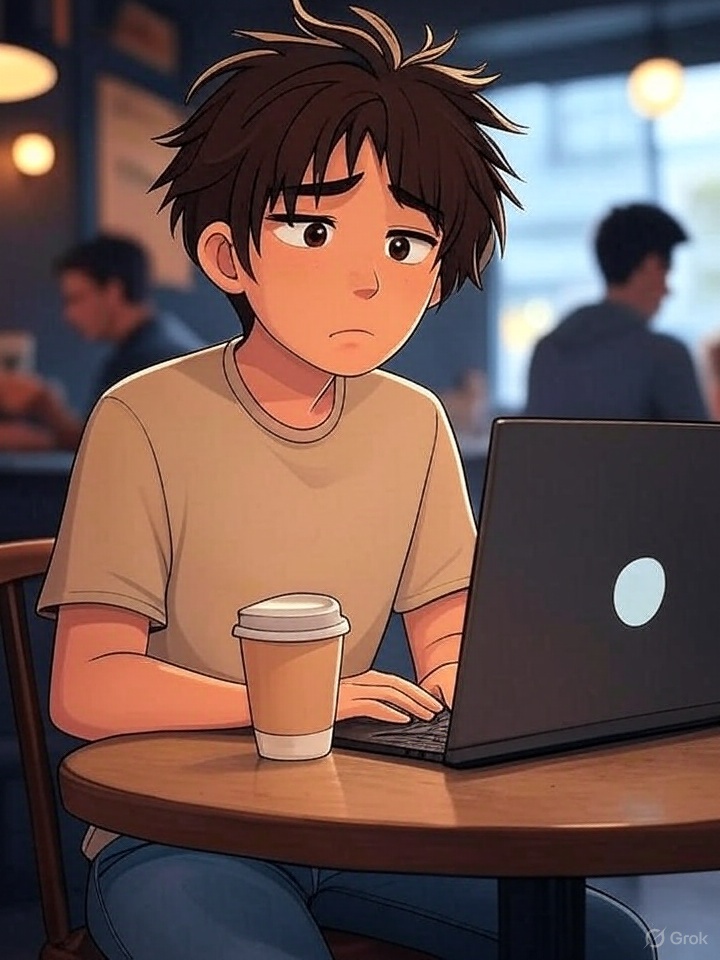
So yeah, I’m not standing on the beaches of Normandy today. I’m in a coffee shop, in a free country, using a laptop that didn’t exist back then. But I remember. I honor them. And I know that every right I have — to speak freely, to protest, to live my life — is a gift paid for in blood.
The Greatest Generation didn’t just defeat evil. They handed us a chance to do better. We owe them everything. Let’s not forget it.
Originally post by the Montgomery County Republican Club